

Windshield Replacement
Windshield & Auto Glass in Central Ohio
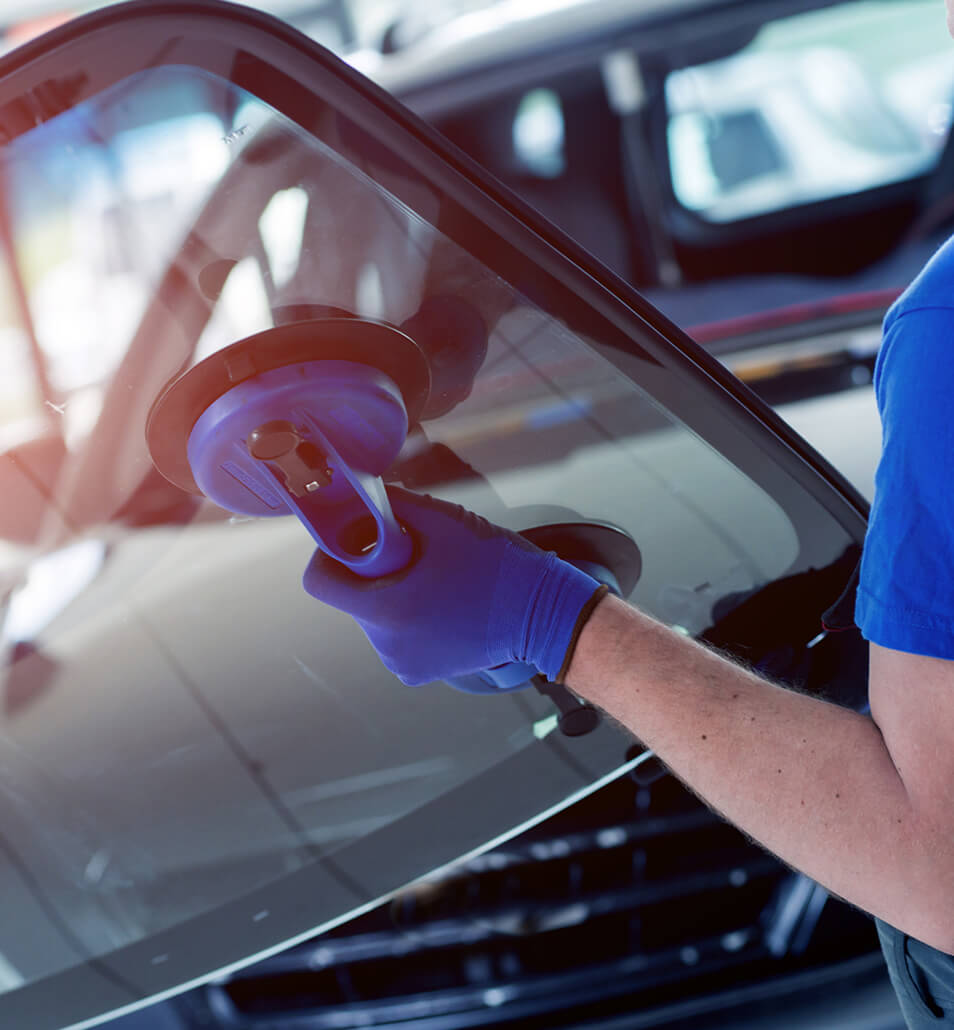
Setting the glass is the visible part. Bonding it correctly — and re-aiming the camera behind it — is the part that matters.
A windshield is not a window. It is bonded to the body with structural urethane, and on most vehicles it helps the roof resist crushing in a rollover and gives the passenger airbag something to push against when it deploys. It is part of the safety cage. Which is why how it is installed matters as much as what it costs — the bead, the primer, the condition of the pinchweld underneath, and how long the adhesive is given to cure before the vehicle is driven.
There is also a camera looking through it. On most late-model vehicles the forward-facing camera for lane keeping, automatic emergency braking and adaptive cruise is mounted to the glass or to a bracket bonded to it. Replace the glass and that camera has moved — which is why glass replacement is the single most common trigger for ADAS calibration. We do the glass and the calibration here, in one place, and document both — part of how we follow OEM repair standards.
Not Drivable? We’ll Come and Get It.
Free local towing is available to qualified customers based on location — just ask when you open your case. Rental vehicles are available as well, so you are not left arranging one on your own while we handle the repair.
Start Your RepairWhat You Can’t See in a Glass Job
A new windshield looks like a new windshield. Everything that determines whether it holds in a crash happens before the glass goes in, and disappears the moment it does:
- Whether the forward camera was recalibrated afterward — there is usually no warning light if it was skipped
- Whether the pinchweld was inspected for rust and primed, or whether new urethane was laid over corrosion that keeps spreading underneath
- Whether the correct urethane was used, and whether the vehicle sat for the adhesive’s safe drive-away time before being handed back
- Whether one-time-use mouldings and clips were replaced or reused — the usual source of wind noise and water leaks weeks later
- Whether the glass matches what the vehicle needs: acoustic interlayer, solar coating, heated wiper park, humidity and rain sensors, head-up display
- Whether optical distortion sits in the camera’s field of view — glass that looks fine to you is not automatically fine to a lens
- Whether the old bead was trimmed to the right height rather than cut back to bare metal
Why Drivers Choose Excite for Auto Glass
- Glass and calibration under one roof. No handoff to a third party and no chance of the calibration falling through the gap between two companies. We do both and document both.
- We repair chips when they are repairable. A small chip caught early is quicker and cheaper than a replacement, and it keeps the factory bond intact. We will tell you up front which one you are looking at.
- Correct glass for the vehicle’s equipment. Sensors, heating elements, acoustic layers and head-up displays all change which part number is right. The wrong glass fits and still breaks something.
- Proper prep and full cure time. Pinchweld inspected and primed, correct urethane, new mouldings and clips, and we tell you the safe drive-away time rather than handing back the keys early.
- I-CAR, ASE, PPG and 3M certified technicians and estimators. The estimating side matters here too — calibration that never reaches the estimate never gets performed.
- Documented, and detailed on delivery. You get a record of the glass fitted and the calibration performed, and the vehicle comes back cleaned inside and out.
Quick Auto Glass Questions
The questions we hear most about chips, cracks and replacement. If yours isn’t here, call the shop at (614) 930-6103 — we’re glad to walk you through it.
Can my chip be repaired, or does the whole windshield need replacing?
It depends on size, depth and location. Small chips and short cracks away from the edges can often be filled, which restores strength and stops the damage spreading — and it keeps the original factory bond, which is always preferable. Damage in the driver’s primary view, near the edge, or in front of a camera usually means replacement. Get it looked at early: chips spread with temperature swings, and a repairable chip on Monday can be a replacement by Friday.
Is my windshield really part of the car’s structure?
Yes. It is bonded in with structural adhesive, not just seated in a frame. On most vehicles it contributes to roof crush resistance in a rollover and acts as the backstop the passenger airbag pushes against when it inflates. A windshield that is not bonded correctly can fail at exactly the moment you need it most — which is why installation quality is not a cosmetic question.
Will I need ADAS calibration after a windshield replacement?
On most late-model vehicles, yes. The forward-facing camera is mounted to the glass or to a bracket bonded to it, so replacing the glass moves it — even by an amount too small to see. Because that camera is judging distance hundreds of feet down the road, a tiny change in angle becomes a large error. We check what your specific vehicle requires and calibrate it here rather than sending you somewhere else.
How soon can I drive after a windshield replacement?
Not immediately. Urethane adhesive has a safe drive-away time — the point at which it has cured enough to hold the glass in a crash. That time depends on the product, the temperature and the humidity, and it is a real number, not a formality. We will tell you what yours is before you leave. Driving early is the one shortcut that undoes an otherwise correct installation.
Does it matter whether the glass is OEM or aftermarket?
It matters more than it used to, because of the camera. Aftermarket glass can be perfectly good, but it has to match the original in thickness, curvature and optical clarity through the camera’s field of view, and it has to carry the right features — acoustic interlayer, solar coating, heated wiper park, sensor mounts, head-up display compatibility. We will tell you what is going on your vehicle and why, and what your policy covers.
My replacement windshield whistles or leaks. What went wrong?
Usually one of three things: mouldings or clips that were reused when they are designed for single use, an uneven or contaminated urethane bead, or glass that was not seated to the correct height. Wind noise and water intrusion are symptoms of the bond itself, which means they are worth taking seriously rather than living with. Bring it in and we will find out which it is.
Will my insurance cover glass?
Glass is often handled under comprehensive coverage rather than collision, and many policies treat chip repair differently from full replacement. Coverage varies, so we will look at your specific situation with you and handle the claim conversation. Calibration required by the manufacturer after a replacement is part of restoring the vehicle, and we make that case as well.
Do you handle side and rear glass too?
Yes. Door glass, quarter glass and rear windows are a different job from a bonded windshield — most side glass is tempered and breaks into small pieces, which means cleanup inside the door and the interior is part of doing it properly. If the glass broke in a collision, we handle it alongside the rest of the repair rather than as a separate errand for you.
Do I need an appointment?
An appointment gets you seen faster, and you can request one online or send a photo of the chip or crack from your phone — often that is enough for us to tell you whether it is repairable before you drive over. If the vehicle isn’t safe to drive, call us and we will arrange the tow.




Quick Links
Copyright © 2026 Alpha Automotive, LLC